

Carbon budget from peatlands in the Romaine River watershed and their contribution to greenhouse gases (GHG) fluxes from Romaine hydroelectric reservoirs, Côte-Nord | 2016 – 2022
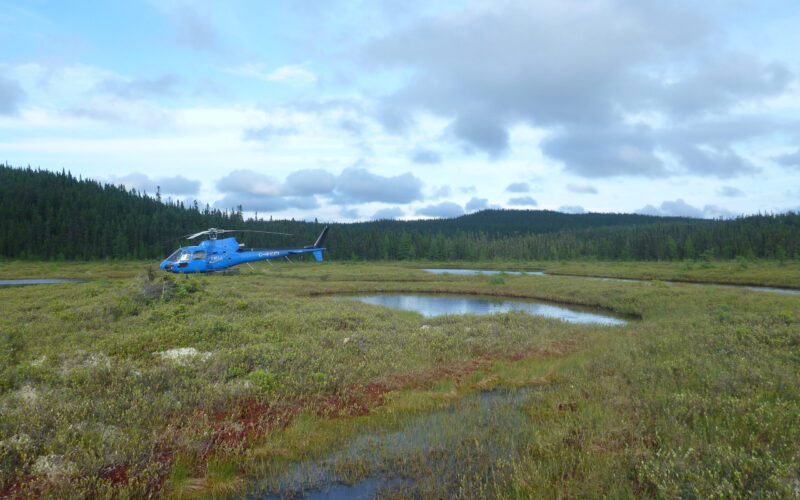
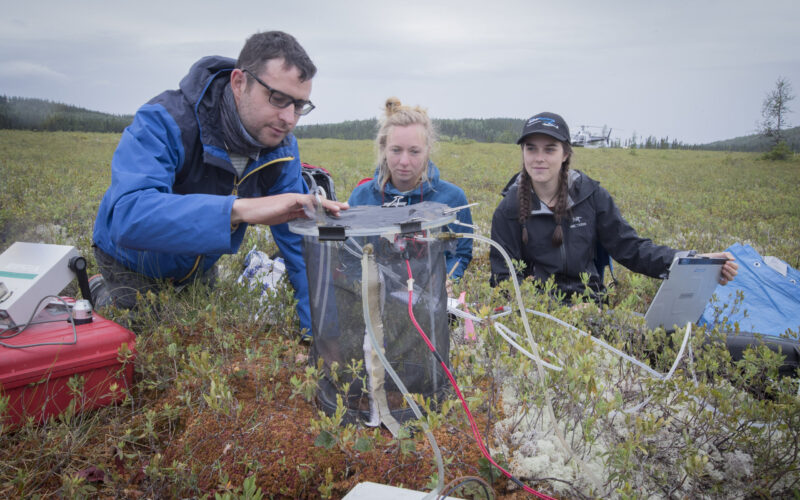

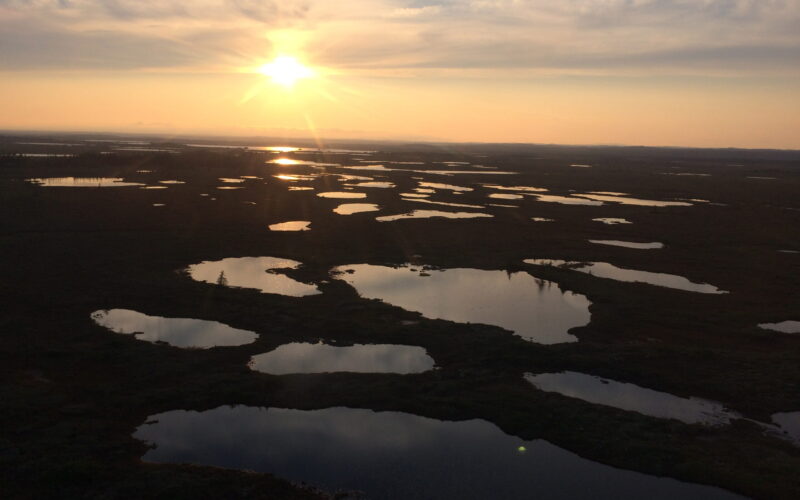
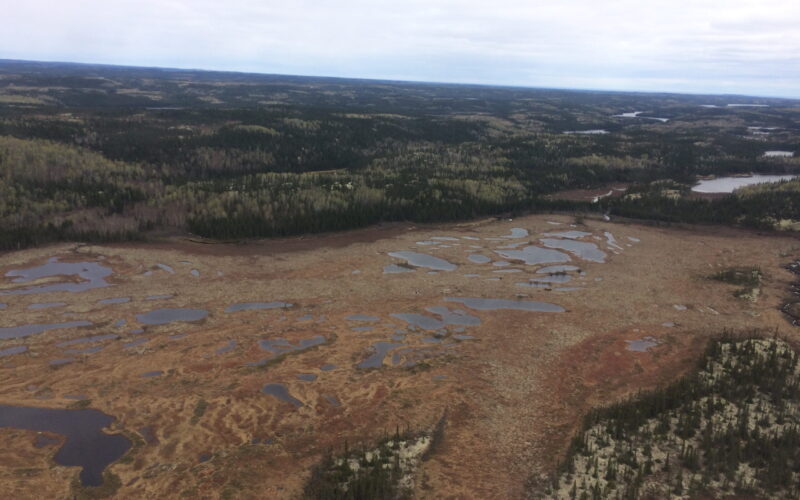
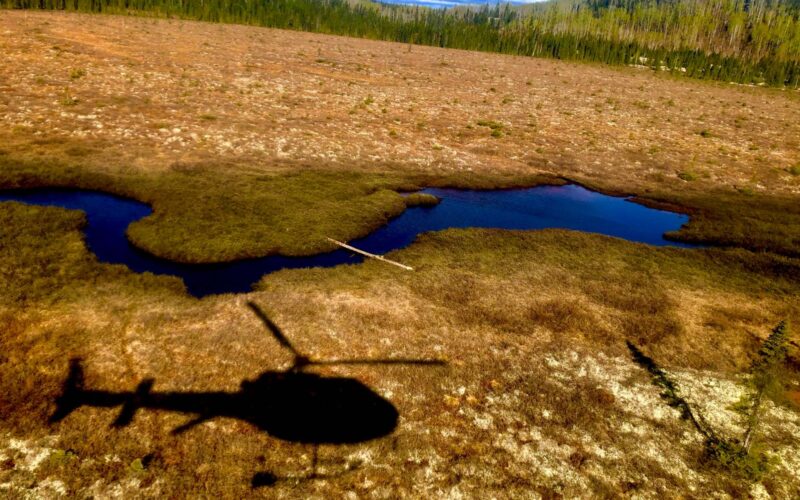

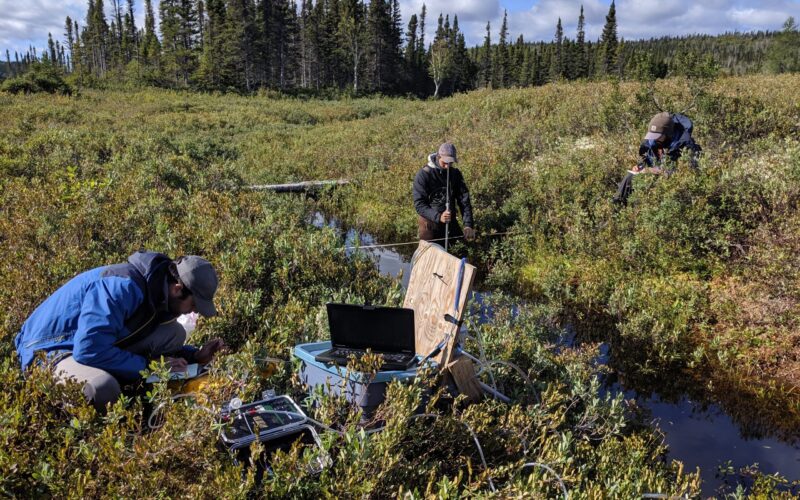
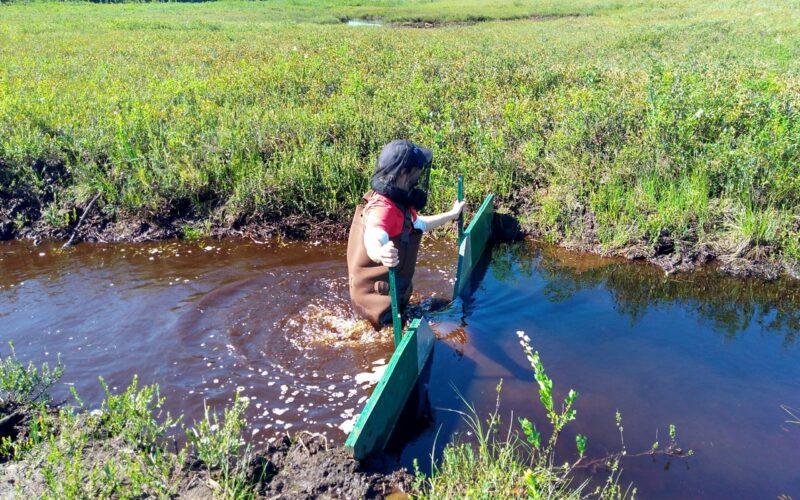
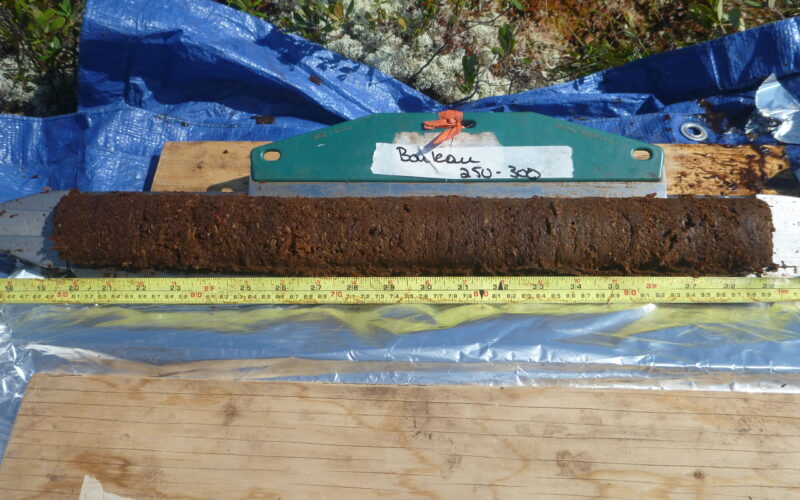
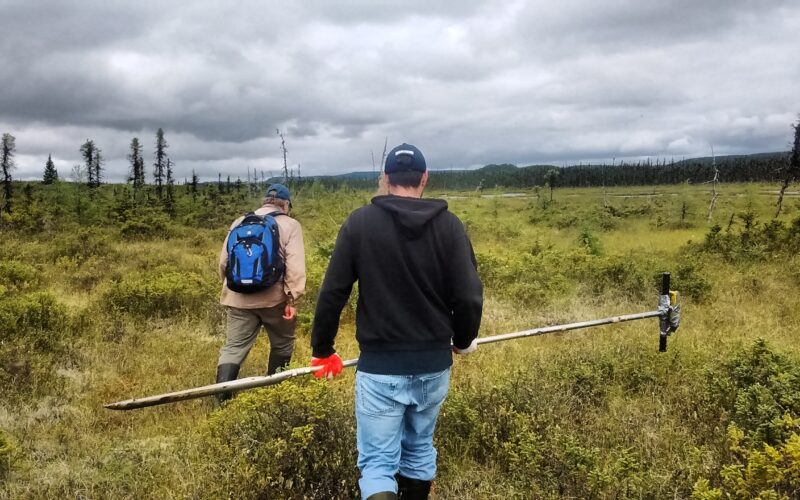
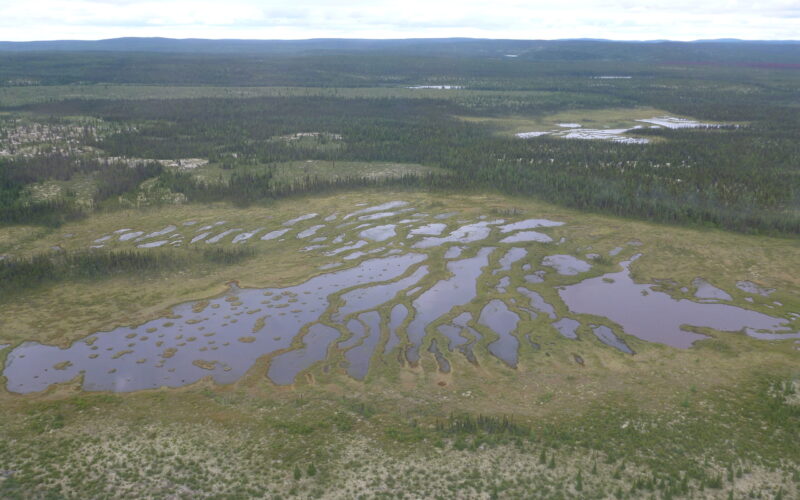
Study sites:
- Bouleau
- Mista
- Auassat
Person in charge: Michelle Garneau (UQAM)
In collaboration with:
- Pascal Bernatchez (UQAR)
- Daniel Charman (University of Exeter)
- Paul del Giorgio (GRIL, UQAM)
- Anne de Vernal (GEOTOP, UQAM)
- François De Vleeschouwer (CNRS, EcoLab)
- Laure Gandois (CNRS, Ecolab)
- Frédérique Guérin (IRD)
- Iain Hartley (University of Exeter)
- Paul Hughes (University of Southampton)
- Martin Lavoie (CEN, Université Laval)
- Dmitri Mauquoy (University of Aberdeen)
- Paul Morris (University of Leeds)
- Alfonso Mucci (GEOTOP, McGill University)
- Serge Payette (CEN, Laval University)
- Dominique Serça (Laboratoire d’Aérologie)
- André St-Hilaire (IRNS-ETE)
- Guillaume St-Onge (ISMER, UQAR)
- Ian Strachan (McGill University)
- Roman Teisserenc (INP ENSAT)
- Alain Tremblay (Hydro-Québec)
Graduate students:
- Guillaume Primeau (M. Sc., UQAM)
- Antonin Prijac (Ph. D., UQAM)
- Pierre Taillardat (postdoctoral intern, UQAM)
- Khawla Riahi (M. Sc., INRS-ETE)
This project is being carried out in partnership with UQAM and Hydro-Québec, under the leadership of Professor Michelle Garneau of GEOTOP-UQAM. The aim of the project is to document the carbon budget of peatlands in the Romaine River watershed and their contribution to the flux of greenhouse gases (GHGs) from the Romaine hydroelectric reservoirs (which have just been impounded). Several researchers from Toulouse in France and IRNS-ETE in Quebec are involved in the project.
In 2000, the World Commission of Dams recommended the development of methodologies to quantify the net greenhouse gas emissions generated by the creation of hydroelectric reservoirs, affecting CO2 and CH4 sources and sinks. In response to these recommendations, a seven-year multidisciplinary project, the Eastmain-1 project in northern Québec, was funded by Hydro-Québec and carried out by a group of researchers from various Québec universities. The Romaine project follows on from this first large-scale boreal initiative. The general objectives of the Romaine River research program are to quantify the net carbon budget of the area (lakes, forests and peatlands) following the impoundment of four hydroelectric facilities along the river. More specifically, the main aim of this project is to carry out a net carbon budget for the peatlands in the watershed. To this end, the carbon stored in these ecosystems will be calculated and compared with current surface values in terms of atmospheric fluxes of CO2 and CH4, and the transfer of dissolved and particulate carbon to the Romaine River. The results obtained will advance fundamental knowledge of carbon dynamics in the boreal peatlands of eastern Canada, and contribute to the net budget between the values generated by land use and development practices and those derived from the natural ecosystems distributed throughout the watershed.
Objectives:
- Reconstruct the paleoecohydrological conditions that influenced the establishment and development of peatlands during the Holocene period;
- Quantifying carbon gas exchange (CO2 and CH4) at the surface: gross ecosystem production, total ecosystem respiration, and methanogenesis and methanotrophy in the Bouleau peatland;
- Establish the hydrological budget of the peatland in order to quantify total carbon export fluxes by river: dissolved organic carbon (DOC) and particulate carbon (POC);
- Integration of data acquired in the peatland and extrapolation of values to the watershed scale.