

Study of carbon budgets in natural and disturbed wetlands in southern Québec | 2023 – 2026
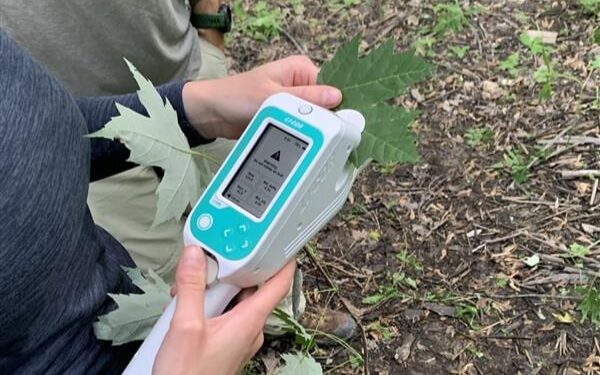
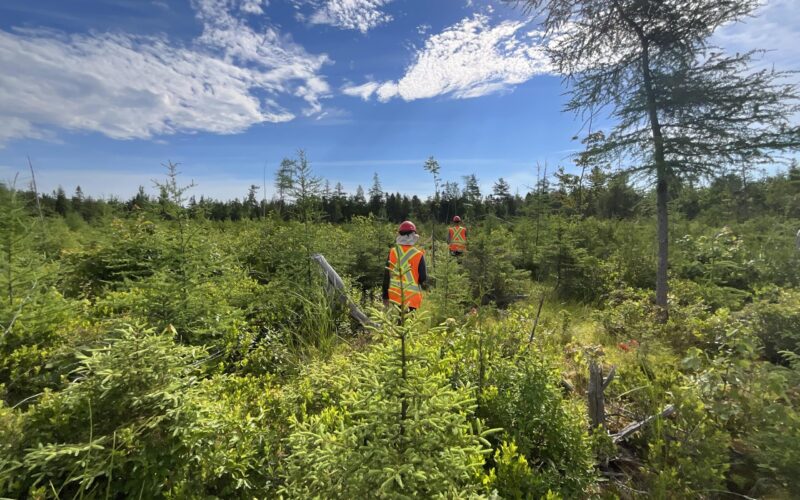
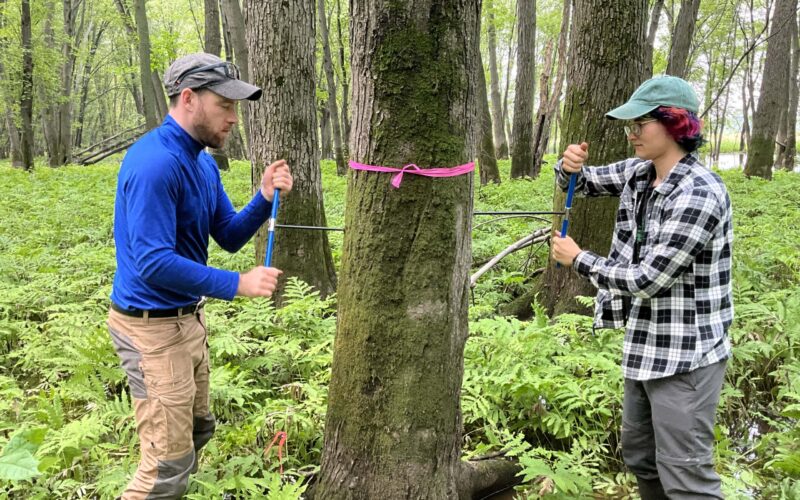
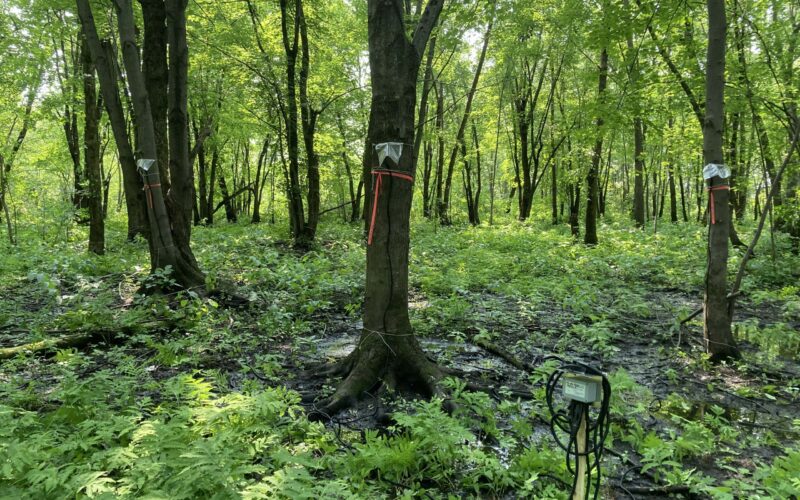
Study sites:
- Natural and disturbed sites in 10 sub-regions of the St. Lawrence Lowlands
- 2 Lake Saint-Pierre marshes
- 2 open peatlands, 2 wooded peatlands at Lac-à-La-Tortue
- 2 wooded swamps
Person in charge: Michelle Garneau (UQAM)
In collaboration with:
- Gabriel Magnan (UQAM)
- Évelyne Thiffault (ULaval)
- Alexandre Roy (UQTR)
- Paul Del Giorgio (UQAM)
- Sara Knox (McGill)
- Oliver Sonnentag (UdeM)
- Marc-André Bourgault (ULaval)
Graduate students:
- Joannie Beaulne (doctorate ULaval)
- Joanie Boulard (Master's degree, UQAM)
- Didier Philippo (Master's degree, UQAM)
Professionals :
- Martina Schlaipfer (UQAM)
- David Trejo (UQAM)
- Léonie Perrier (UQAM)
- Olaf Kolle
- Jean-Benoit Leblond Chouinard (ULaval)
This project is part of action 1.13.1.1 of the MELCCFP's 2030 Plan for a Green Economy, which aims to acquire knowledge on the potential contribution of wetlands to limiting climate change. The project is divided into two focuses:
- Focus 1: Carbon sequestration in soils and biomass
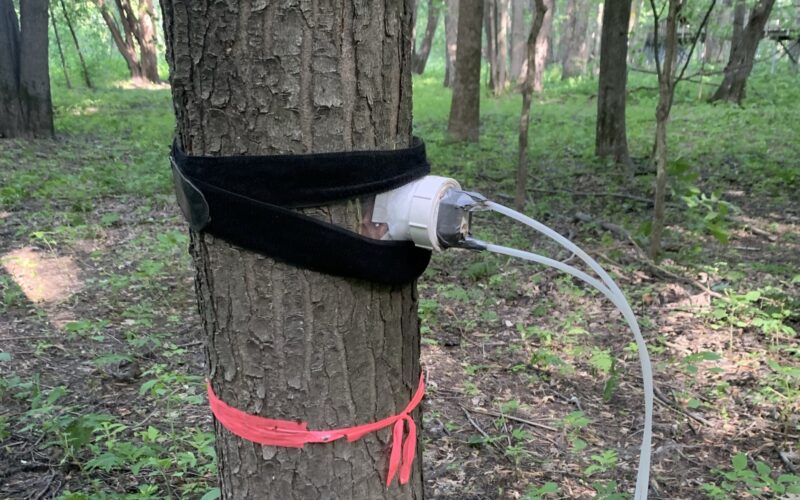
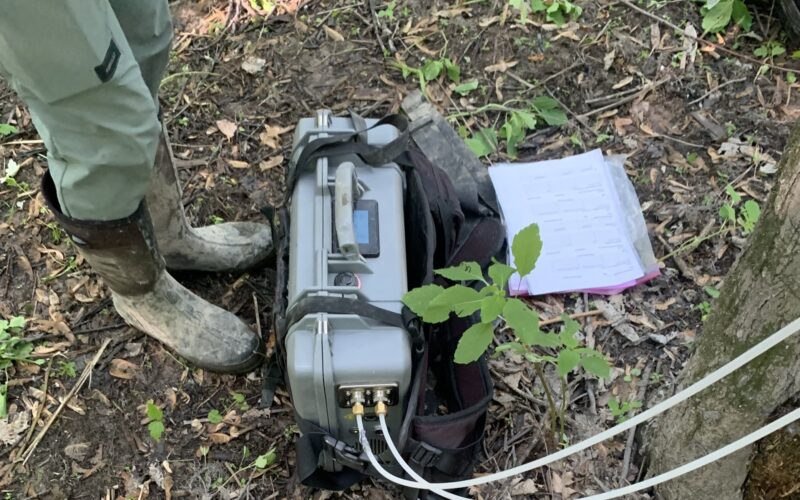
- Focus 2: Atmospheric (CO2 and CH4) and aquatic (DOC) carbon fluxes
Focus 1:
1. C sequestration dynamics in soils and woody biomass of forested peatlands and wooded swamps
The project assesses recent (last ~150 years) C sequestration stocks and rates in soil and woody biomass of forested peatlands, wooded swamps and forests. The potential impact of silvicultural activities on C sequestration in forested wetlands will be assessed by comparing natural and disturbed environments.
2. Impacts of drainage and afforestation on C sequestration in a historical perspective
C stocks and sequestration rates in peat and woody biomass will be compared between a natural open peatland and a forested peatland resulting from ancient drainage (>50 years) to assess the extent to which afforestation and woody biomass accumulation can compensate for C losses in peat deposits due to lowering of the water table.
3. C sequestration function of coastal marshes
The C stock and sequestration rate will be estimated in the soil and plant biomass of a Lake Saint-Pierre marsh and a marsh disturbed by agricultural activities in order to assess the loss of C sequestration efficiency caused by drainage and the alteration of soil physico-chemical conditions due to agricultural fertilization.
Focus 2 :
1. Budget of GHG fluxes and COD lateral fluxes in natural and agriculturally impacted coastal marshes in the Lac Saint-Pierre basin
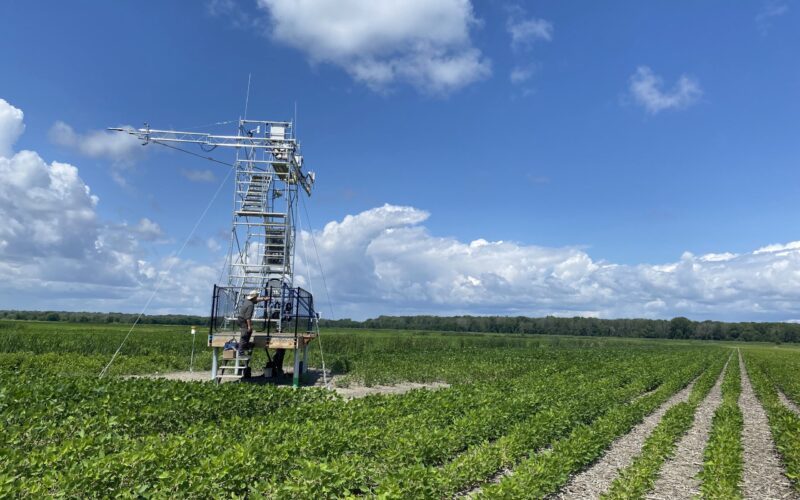
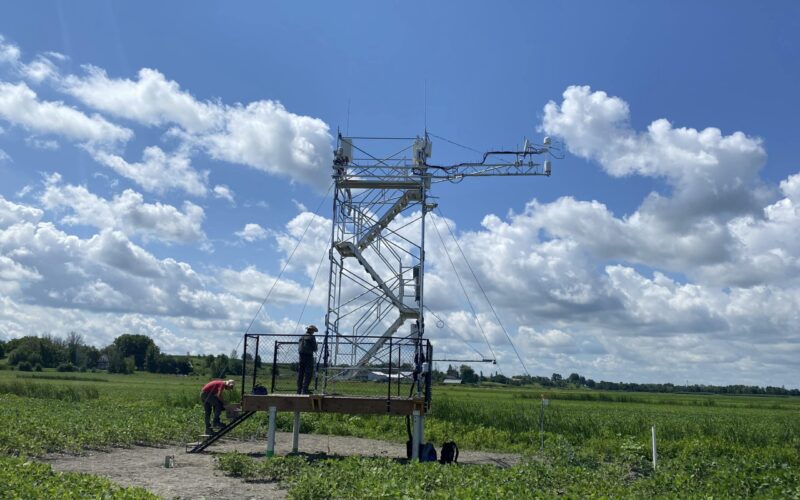
This project aims to quantify the net ecosystem exchange of CO2 and the emissions of CH4 and of N2O in a natural marsh and a marsh disturbed by agricultural activities on the edge of Lake Saint-Pierre.
In order to obtain a complete annual C assessment, lateral DOC fluxes will be measured within the different units of the natural and disturbed marsh.
Finally, the annual GHG flux budget of the natural freshwater marsh will be compared with that of a natural saltwater marsh in the Bas-Saint-Laurent region, where data collected as part of a previous project during the 2020 and 2021 growing seasons (ecosystemic exchanges of CO2 and of CH4 and DOC lateral flow) will be analyzed.
2. GHG flux budgets for forested wetlands disturbed by silvicultural activities
The project will compare the C budgets of a natural wooded peatland and a wooded peatland that has been logged with organic soil protection (<20 years). The results will enable us to assess how changes in the ecosystem's integrity as a result of logging affect atmospheric GHG exchanges.
The project will compare the GHG budget of a natural wooded swamp with a wooded swamp affected by logging and recent soil disturbance (<20 years).
3. GHG flux budgets for a natural open peatland and a drained peatland affected by afforestation
GHG fluxes will be measured in a natural open peatland and in a former open peatland affected by afforestation due to old drainage (>50 years). This study will highlight the impact of drainage and afforestation on the annual C budget and the emissions of CO2 and of CH4. This data will help determine whether drained peatlands can continue to act as net C sinks several decades after the disturbance.