

Paleoecological reconstruction of the initial development conditions of the Lac-à-la-Tortue peat complex, Mauricie, Québec | 2014 – 2016
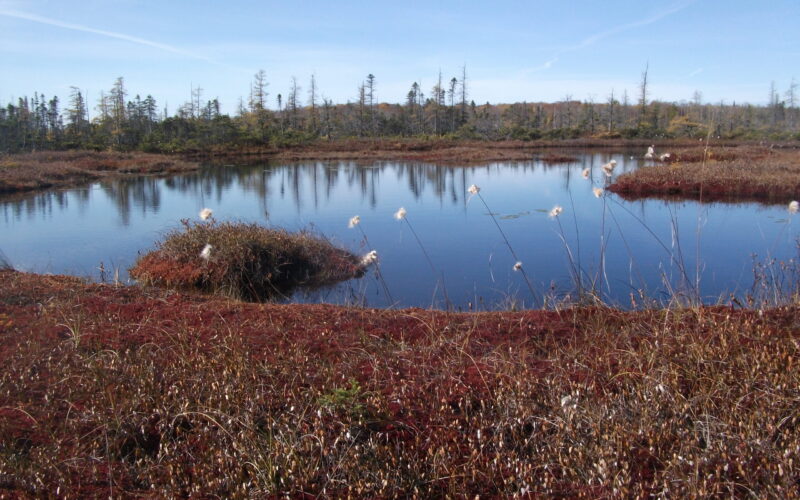
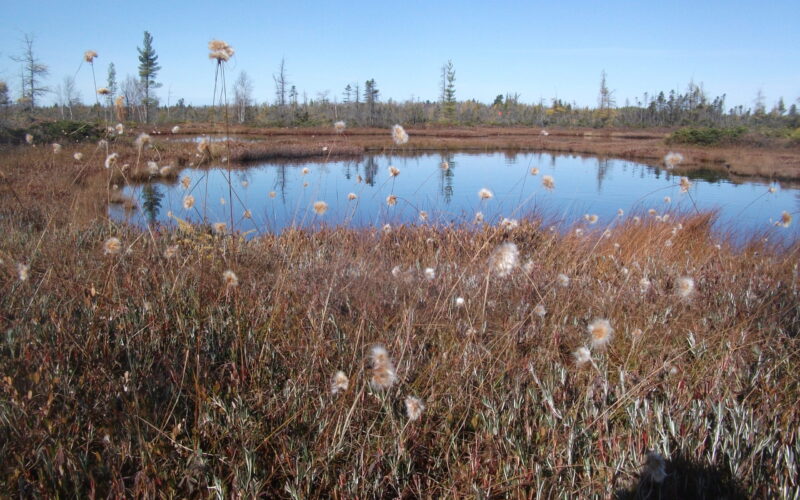
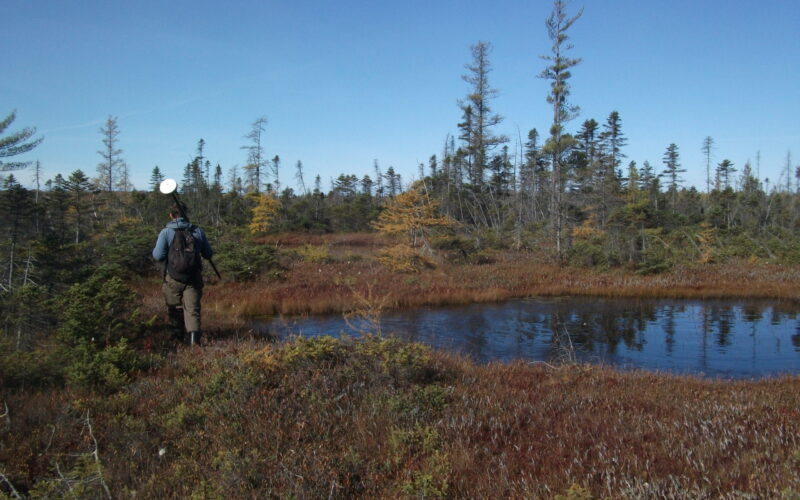
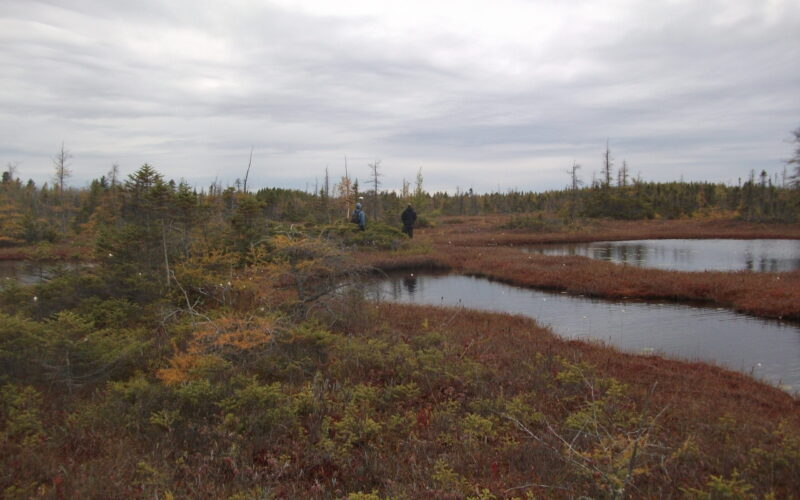
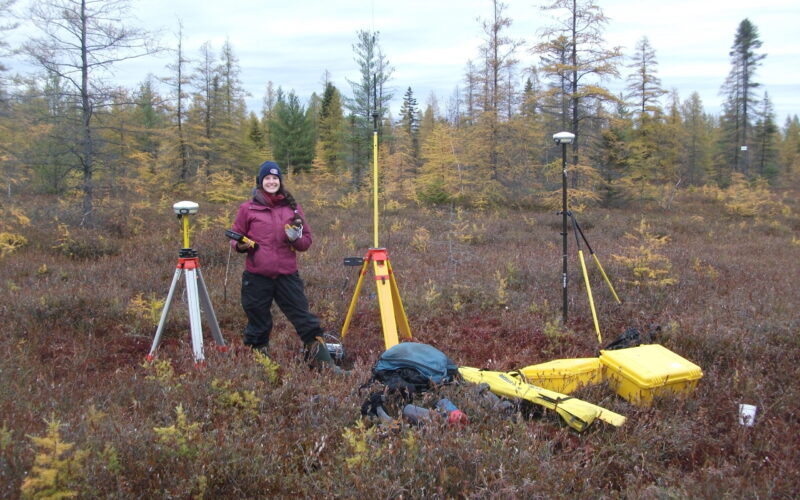
Study sites: Lac-à-la-Tortue
Person in charge: Michelle Garneau (UQAM)
Graduate student: Louis-Martin Pilote (M. Sc., UQAM)
Despite the progress made over the past decade, the conditions under which peatlands in the St. Lawrence Lowlands developed in the early Holocene, as well as their subsequent lateral expansion and long-term carbon accumulation dynamics in response to past climatic variations, remain largely unknown. Identifying the relative importance of climate and autogenic factors on the development of peat ecosystems is essential to deepen our understanding of the long-term dynamics of these environments. With a warming climate predicted for boreal regions in the next few years, it's more relevant than ever to know how peat ecosystems will react to it, especially in view of the essential ecological services they provide and the role they play in the carbon cycle. Moreover, most of the vast peat complexes of the St. Lawrence Lowlands have never been studied in depth or used to obtain regional climate reconstructions, which partly explains this lack of knowledge. A better understanding of the chronology and initial conditions of development of a peatland complex representative of the region's peatlands could be the key to addressing these issues.
In order to address this issue, this project presents the development of the largest peat complex in southern Québec, that of Lac-à-la-Tortue. Our initial hypothesis is that the Lac-à-la-Tortue peat complex is the result of the filling of a shallow topographic depression located above the paleodelta of the Saint-Maurice River, followed by the paludification of reworked deltaic deposits into an eolian system on the periphery.
Objectives:
- Document the initiation patterns of the deepest sector of the peatland and its lateral expansion dynamics over time;
- Reconstruct the composition of initial plant communities and their subsequent evolution;
- Assessing the relative importance of climate vs. allogenic factors and their influence on peatland development;
- Quantify the carbon content stored at the scale of the peat complex.